 3:17
Master tempo, also known as key lock
On YouTube this video is called Complete Beginner DJ Lessons Video 18 What Is Master Tempo Also Known as Key Lock
What this lesson teaches
He opens by apologising for having misnumbered some of his own videos, which is endearing and also a useful signal: this is somebody making a series as he goes rather than reading a script.
The two behaviours
With master tempo - key lock - engaged, moving the pitch fader changes only the speed. The track gets faster or slower and stays in the same key.
With it disengaged, speed and pitch move together. Slow a track down and everything in it drops: the vocal deepens, the melody falls, the whole thing loses energy. Speed it up and it rises. You are changing the key of the music by semitones as you move the fader.
He demonstrates both at a 16% range, where the effect is dramatic.
Why it matters for mixing
This is the consequence to understand.
Two tracks at different tempos have to be pulled together, which means moving one of them a long way. With key lock off, that move also takes the track out of its original key - so you can arrive at a mix that is rhythmically perfect and musically wrong. The beats line up and the two records clash harmonically, and you will hear it as a sourness you cannot locate.
With key lock on, you get the tempo change without the key change, and the two records stay in whatever harmonic relationship they started with.
His recommendation, and the counter-argument
For a beginner: leave key lock on and forget about it. That is sound advice and removes a whole category of problem while you are learning everything else.
It is worth knowing that another lesson in this curriculum argues the opposite - that you should switch it off, because mixing with the honest behaviour teaches you to hear the relationship between speed and key, which is a real part of the craft.
Both are right, for different purposes. Key lock on when you are playing to people. Key lock off when you are practising and want to learn what the machine is otherwise hiding from you.
Contents of the video
0:01 General idea, number
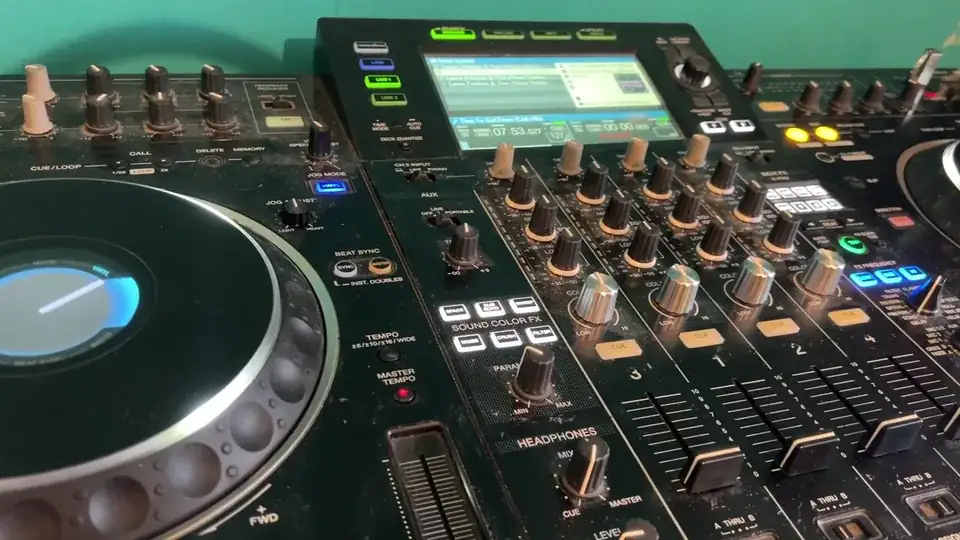
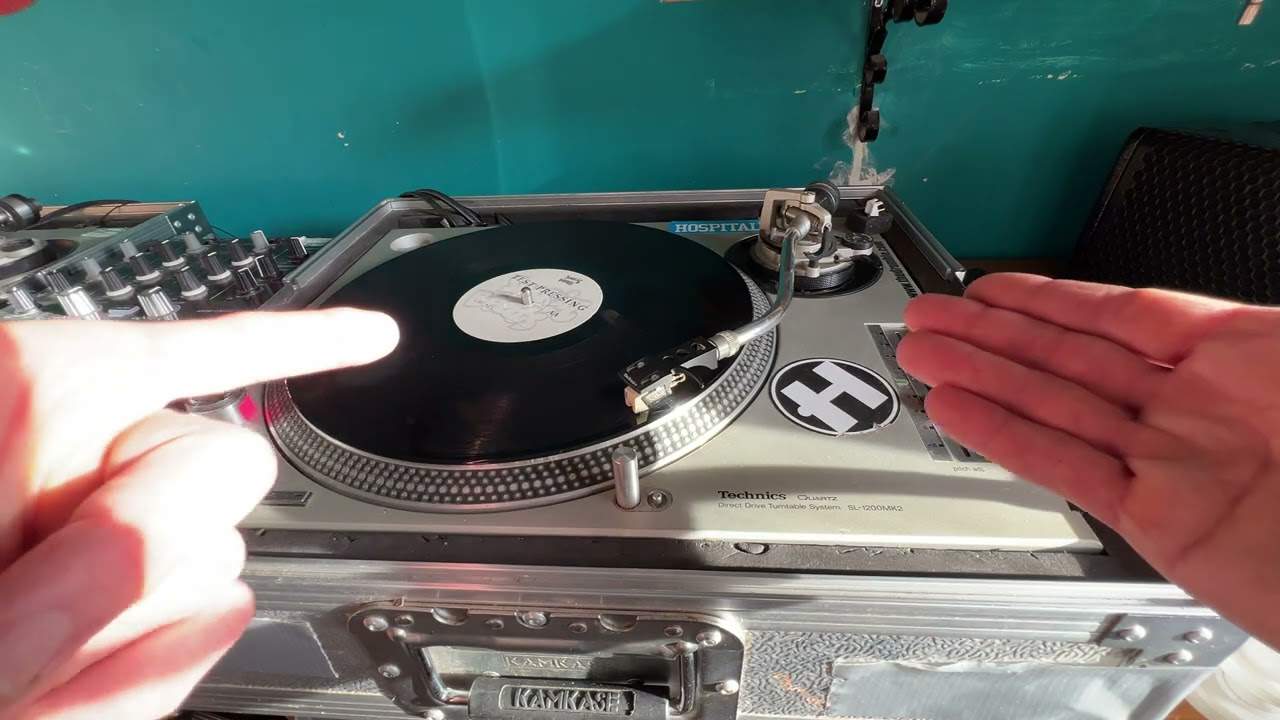
Right, ladies and gentlemen, this is video number 18. And also, I do apologise on the odd occasion, I've said the wrong number of video in the actual video itself, but I'm sure you get the general idea. It's just a number at the end of the day, and so long as you watch all of them, then that's all that matters. Alright, first of all, the tune I'm going to be playing is by a very good friend of mine, Mr Lenny Fontana, a track entitled True House Stories, and you can get this on Karmic Power Records. I'm going to press play, move the volume up, and let it play for a while.
1:06 I'm going to set my tempo to plus and minus 16 percent
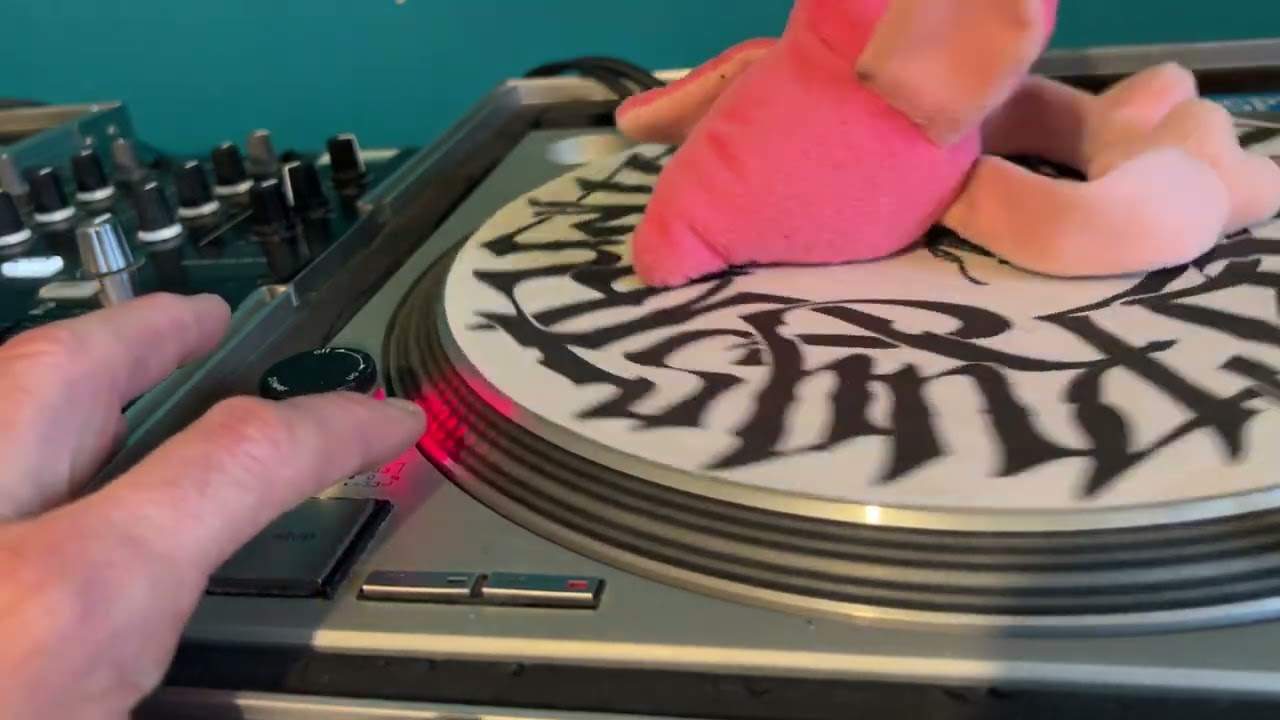
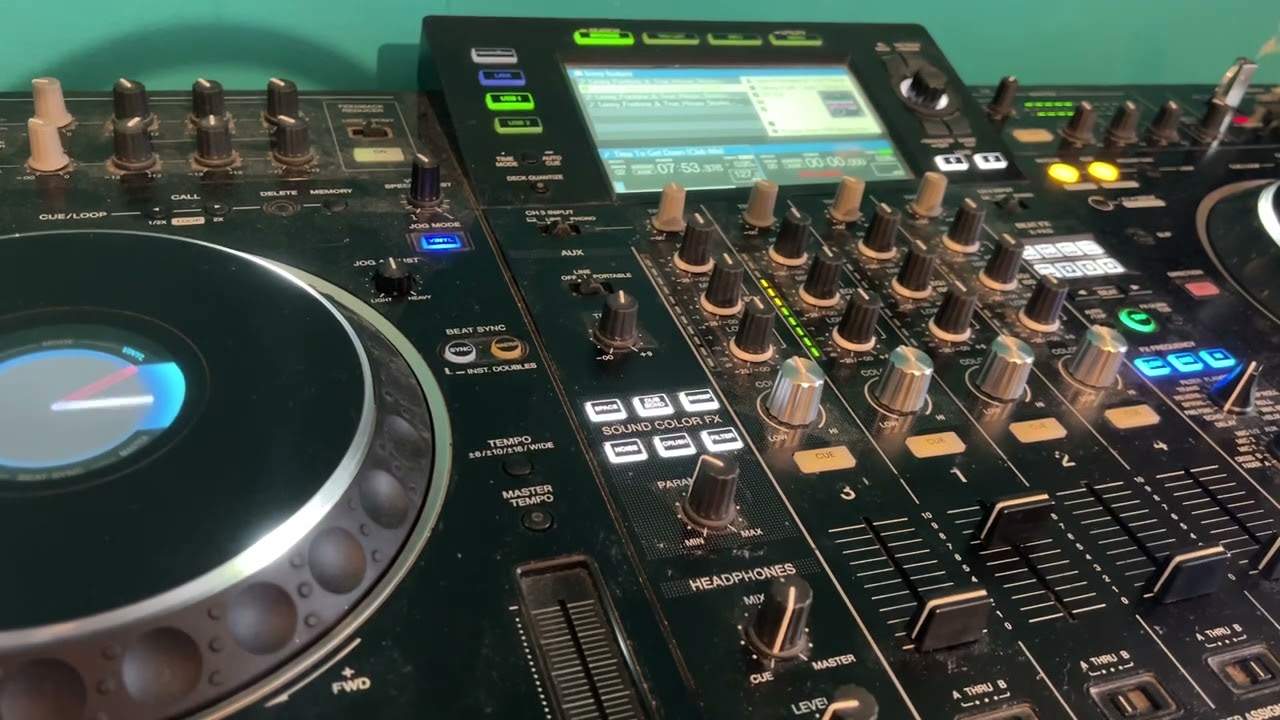
Now in this video what we're looking at is when we use master tempo, also known as key lock, or when we don't use it, and the difference in using it and not using it. So I'll skip the track forward a bit. There you go, get a general idea of the track. Okay, so what I'm going to do now is... I'm going to set my tempo to plus and minus 16 percent. Now if you're not familiar with that, go and check out one of the previous videos, and that will give you sort of a good idea on what the percentage will do to a track. Now I do have the master tempo still engaged, so let's press play. You can hear the track going slower... ...and faster. I'm now going to disengage master tempo again, also known as key lock. Let's have a listen.
1:57 Number one, as previously demonstrated, the track does indeed slow dow
Two things are happening there. Number one, as previously demonstrated, the track does indeed slow down and speed up. But with master tempo key lock disengaged, something else happens as well. That is the key of the track, the tone, the feel, the energy seems to drop as you slow it down, and rise as you speed it up. Now what basically happens is you are now not only slowing down... ...the track down and speeding it up, but you're lowering it by the track, the music, by semitones. You're actually changing the key of the track. Now this is very important when you're doing some kind of musical mix... ...because if you have master tempo disengaged and you slow the track down too much or speed it up too much, it may end up being in beat...
...because you have to slow it down or speed it up. But what might happen, it might now end up in beat of course, but now it might actually end up out of key. It won't sound right. So if you do have a controller, it's entirely up to you, but I do recommend you keep master tempo, also known as key lock on... ...and then just leave it and forget about it. I hope that's a help. Practice and enjoy. Thank you.
This transcript was produced automatically from the audio of the video and may contain mistakes.