 4:14
How to tell when two tracks are not in beat
On YouTube this video is called Complete Beginner DJ Lessons Video 22 How to Find out if Your 2 Tracks Are Not in Beat
What this lesson teaches
He promises something that will make you smile once you have heard it, and then delivers. This is the most useful four minutes in the course.
The demonstration
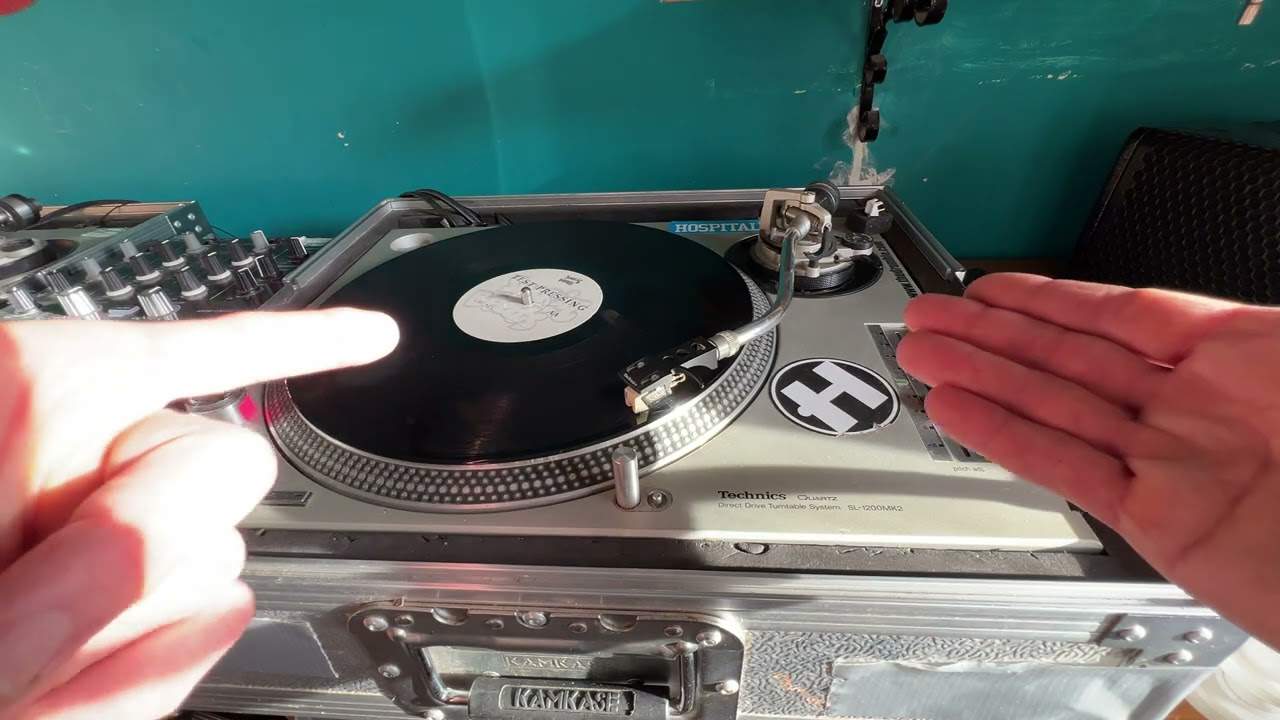
Both decks at the same BPM. He starts them deliberately apart, so what you hear is plainly off beat - two kicks, clearly separate.
And then he asks the question that reframes everything: are those two tracks at the same tempo?
Your instinct says no. They sound wrong, so something must be wrong with the speed.
They are at exactly the same BPM. They are simply in different places.
The test
Here is the whole thing, and it is the diagnostic every beatmatching decision rests on.
Listen to the gap between the two kicks.
- If the gap stays the same, the tempos match. The tracks are in the wrong positions relative to each other and nothing else is wrong. That is a job for the jog wheel.
- If the gap is opening or closing, the tempos differ. One is gaining on the other. That is a job for the pitch fader.
Four bars of listening tells you which of the two problems you have, and therefore which control to touch. Without it you are guessing, and the usual outcome of guessing is nudging a track into place over and over while it drifts straight back out.
The inverse, which is the trap
Then he does something cleverer. He sets the right deck to 125.5 against 126, starts them off beat, and lets them run.
Over a few seconds they drift into beat and sound right.
And that is exactly the trap, because a DJ hears that moment and believes the mix is matched. It is not. Two tracks that start wrong and become right are definitely at different tempos - they are passing through alignment on the way out the other side, and in another twenty seconds they will be wrong again.
A real match holds. A coincidence does not.
Why this lesson matters so much
Because it converts a vague, frustrating experience - "it keeps going off and I do not know why" - into a question with two possible answers and a test that distinguishes them.
Everything else in beatmatching is practice. This is the piece of knowledge.
Contents of the video
0:01 I never understood that
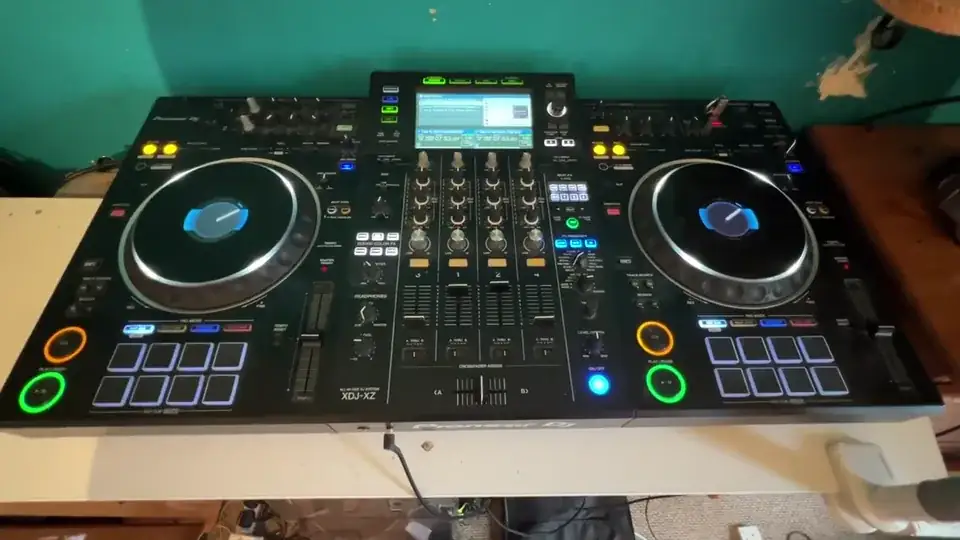
Alright, video number 23 here and I'm going to give you one of the secret DJ tips that not many people, not so much know, but actually don't think about. And again, once you've watched this video, you're just going to think that's so logical. I never understood that. So I'm now going to set the track so they are both playing at the same speed. Again, Lenny Fontana, track entitled True House Stories from Karmic Power Records. Okay, so let's press play on both sides at the same time. We can hear that phasing sound. Now what I'm going to do now is I'm now going to put them off beat. Hear me out and listen. You'll be wondering what's going on. But hopefully after this video, you'll have a smile on your face and you'll have so much more knowledge. Here we go. Now if you heard a DJ
Form that kind of mix, one of the first things you would think is those two tracks are off beat. They're not at the same BPM. Indeed they are off beat. But you will automatically think they're not the same BPM because they can't be because they're off beat. But let's have another listen to that. Here we go. There's the one. There's the other by itself and together.
1:54 There was something that was happening there
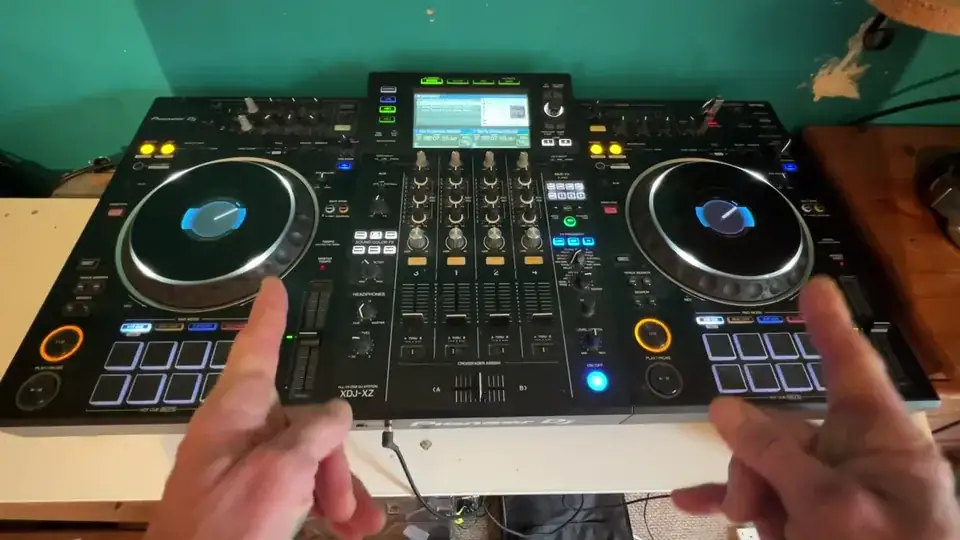
Let's bring them down. Now there was something that was happening there. If you rewind and even if you don't rewind yet, if you rewind once I've explained, it will make perfect sense. Even though they weren't in beat, they are indeed actually the same BPM. Why? It's because the echo in between those beats didn't change. And this is a fundamental part of beat matching that you need to understand. Just because two tracks sound off beat doesn't mean to say that they are not the same BPM simply because you need to listen to the gap in between the two beats and that gap needs to stay the same. If it does stay the same, then they are actually the same BPM. They're just not in beat. It makes perfect sense. Now what I'm going to do is something completely different, but also the same. I'm now going to slow down a little bit more the right hand side. So the left hand side is 126 BPM. The right hand side is now 125.5 BPM. This is just an example. It doesn't have to be exactly like that. What I'm going to do now is I'm going to repeat the process. Press
Play at slightly different intervals. We will indeed hear an echo, but the difference with this demonstration as opposed to the last one is we will still have an echo, but the echo will change. So not only are they not the same BPM, but they're actually going off beat as well. So here we go. So to some people, they may think, yeah, they're the same BPM because they're now getting in beat. But because they were off beat to begin with and now getting in beat, they are indeed not the same BPM. Hope that's a help. Leave a comment. Let me know. Practice and enjoy. Thank you.
This transcript was produced automatically from the audio of the video and may contain mistakes.