 2:57
How to change the BPM
On YouTube this video is called Complete Beginner DJ Lessons Video 6 How to Change the BPM Beats per Minute
What this lesson teaches
The term you will see everywhere, defined properly and then demonstrated.
What BPM means
Beats per minute. Exactly what it says: count the kick drums in sixty seconds and that is the number.
The kick is what you count. That steady thump is the beat, and in dance music it is almost always there to be counted.
The two numbers on the display
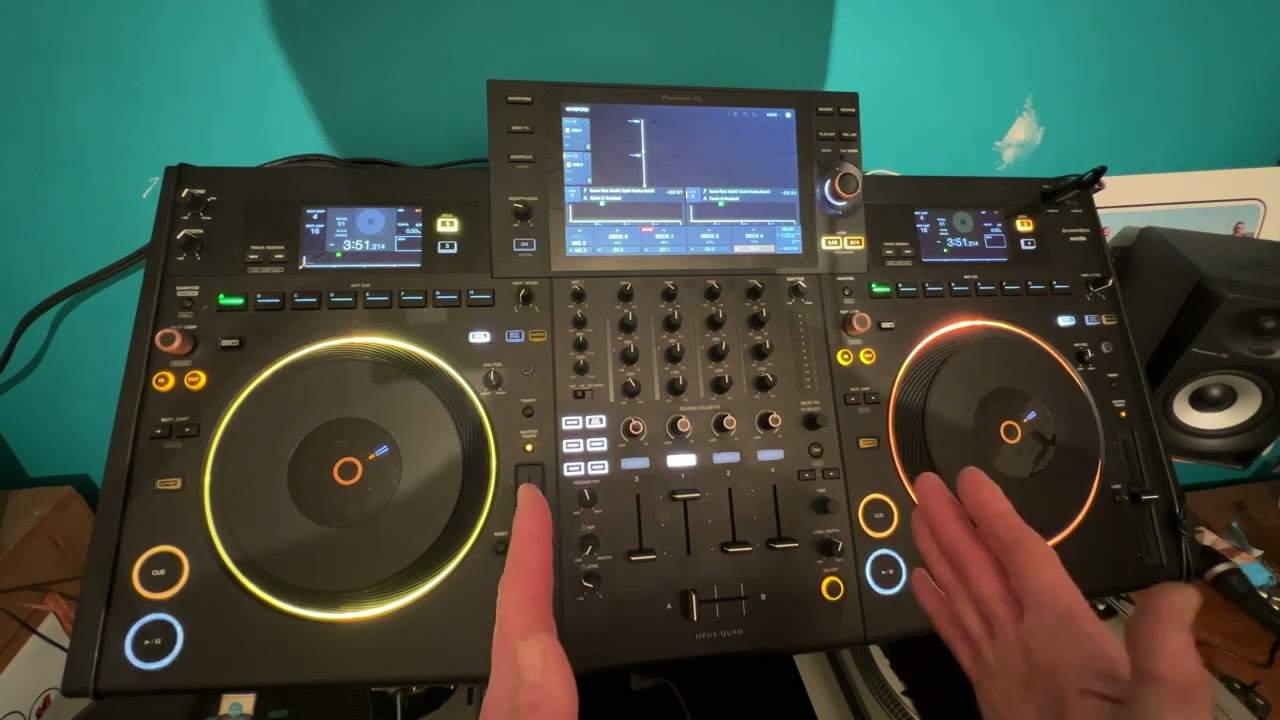
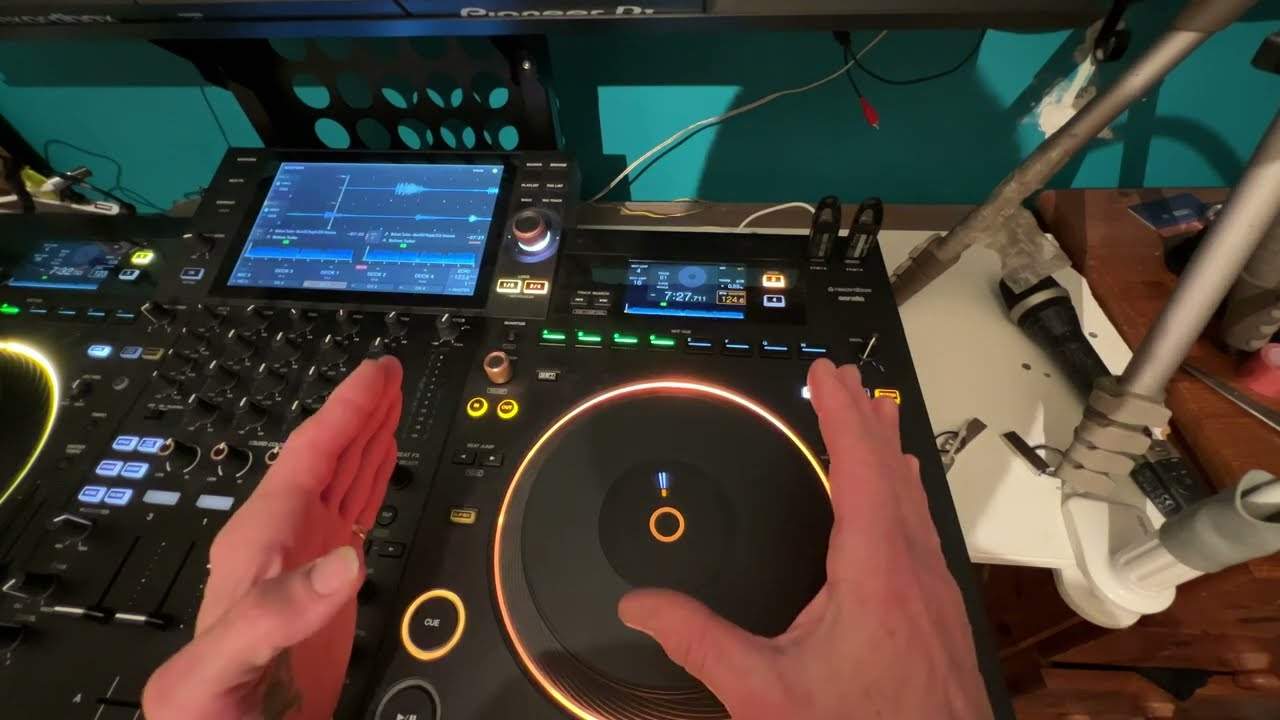
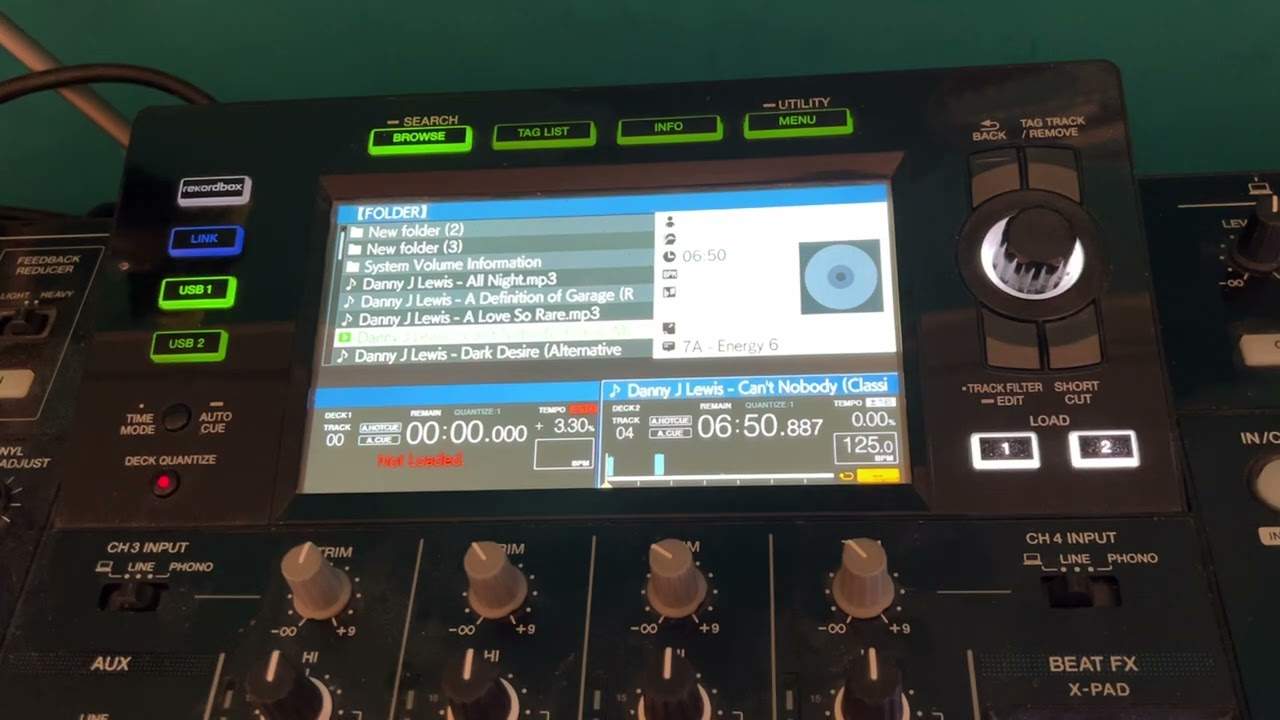
His screen shows 125 and 0.00%, and understanding the pair is the point of the lesson.
The percentage is how far the pitch fader has moved from the centre. At 0.00% the fader is dead centre and the track is playing at the tempo it was produced at - here, 125 BPM.
So the BPM figure is not a fixed property of the record. It is the tempo as you are currently playing it, and it moves when you move the fader.
Watching them move together
He slows the track and two things happen at once: you hear the kicks spread out, and you watch the BPM number fall. Speed it up and both reverse.
His explanation of why is exactly right and worth keeping, because it makes the abstraction concrete: there are now fewer kicks in that minute. The number is not a setting, it is a count.
Why this lesson exists
Because it connects a thing you can hear to a thing you can read, and that connection is what makes the pitch fader steerable rather than a mystery.
Two tracks mix when their BPMs match. The display tells you the gap and the fader closes it. Later in the curriculum you will do this by ear without looking - but you learn the relationship far faster by watching it happen.
Contents of the video
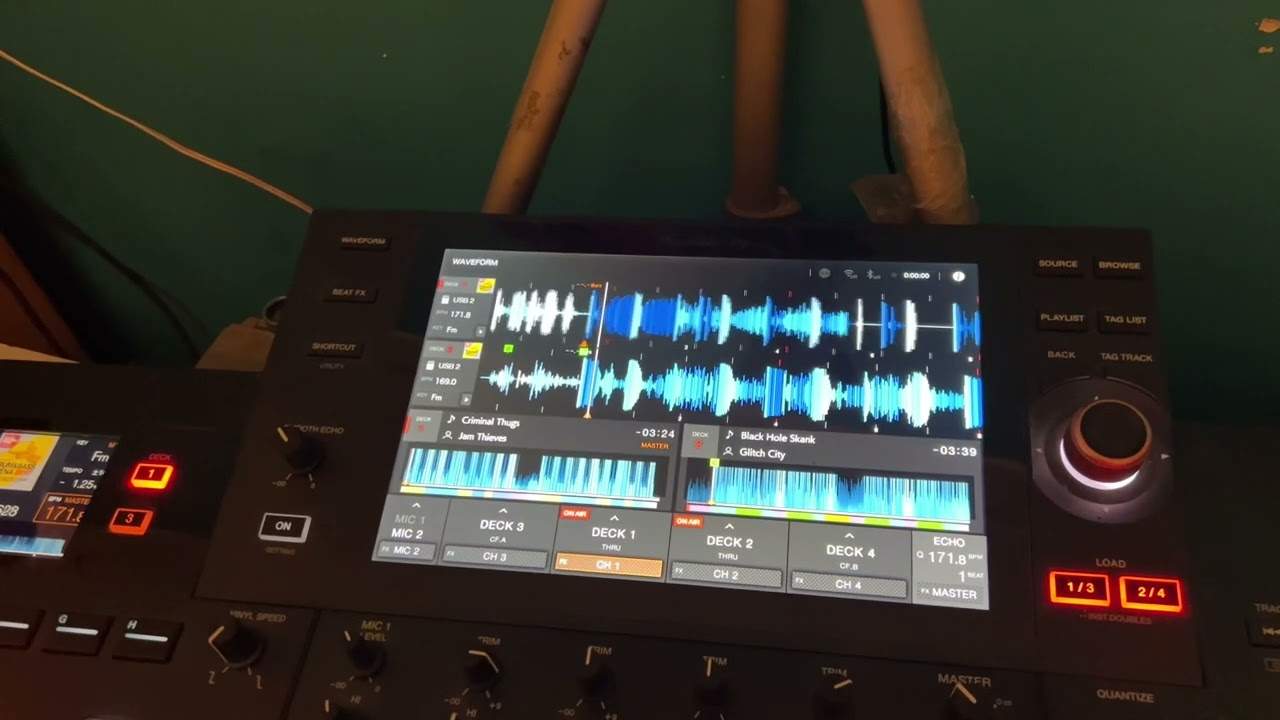
Alright guys, video number six for the complete and utter novice. In this video we're going to be looking at BPM. Now get used to that term because it's everywhere in the DJ industry and it stands for beats per minute. So it is exactly what it says on the tin, it's beats in every minute. So when you hear that kick sound, that is what you're listening for. When you count those kick sounds in one minute, 60 seconds, that will give you your BPM, beats per minute. Now on the screen here we can see 1, 2, 3, 0.8. So what does that mean? And it's got a 0.8. Basically that means that depending on where your pitch control is on your controller will also determine the BPM. So if I move my pitch very slightly and bring it to the centre position so we can see just above that number now, 1, 2, 5, we're at 0.00%.
So what that tells me, the percentage, is now the pitch is dead centre on the controller. Also now we can see 1, 2, 5 BPM, 0.8. Now that tells me that this track is exactly at 125 beats per minute. So if we were to count how many beats there were in one minute, stopwatch, clock, your phone, you would have 125 beats per minute. So let's press play. At the moment I just have a loop playing. What I'm going to do now, off screen, is I'm going to start to slow the track down by moving the pitch away from me. Have a listen and take a look at that 125 number. Two things are happening. Number one, is the track is slowing down.
Number two is the BPM is decreasing. That's because there are less kicks now in that minute. I'm going to start to bring it back towards me. And you should see and hear two things. You should be able to see the BPM increase, and hear the kicks getting faster. So there you go. Video number six, I'm increasing and decreasing the BPM. Practice and enjoy. Thank you.
This transcript was produced automatically from the audio of the video and may contain mistakes.