 2:47
What a phrase is, and how to find one
On YouTube this video is called Complete Beginner DJ Lessons Video 7 What Is a Phrase and How to Fine One
What this lesson teaches
The previous lesson gave you the theory of bars and phrases. This one puts it against an actual record, which is where it becomes a skill.
The exercise
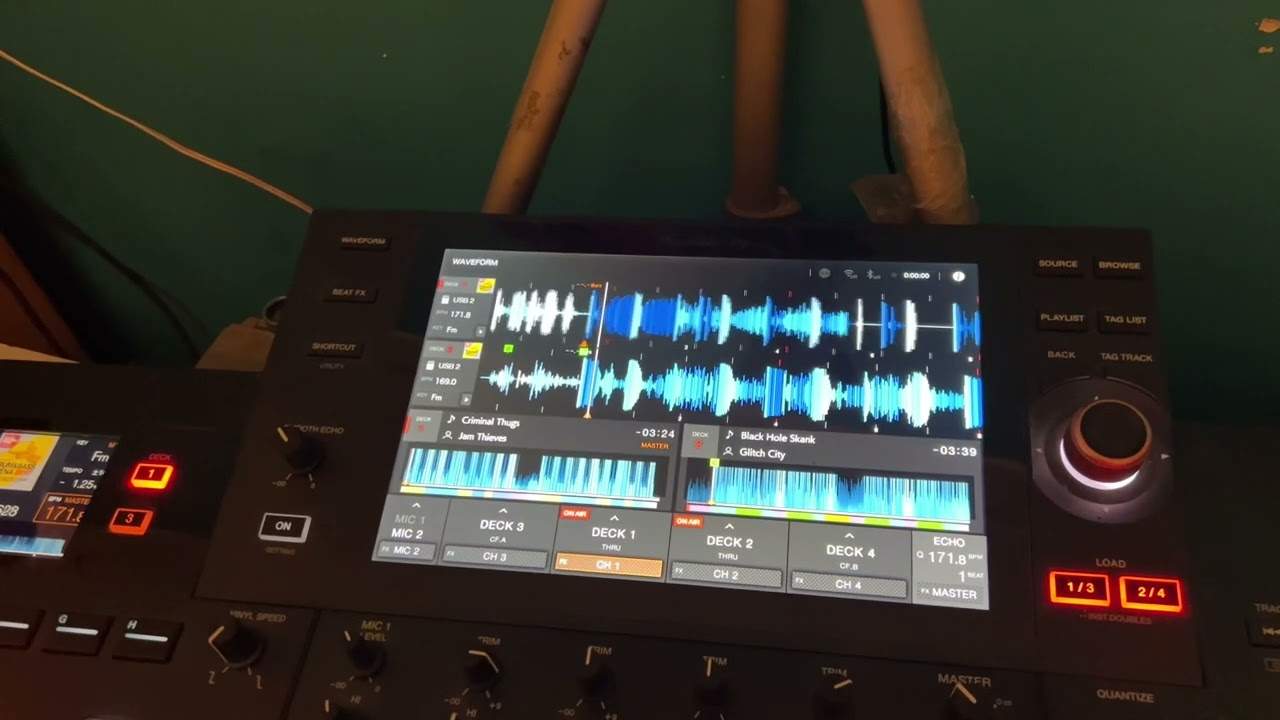
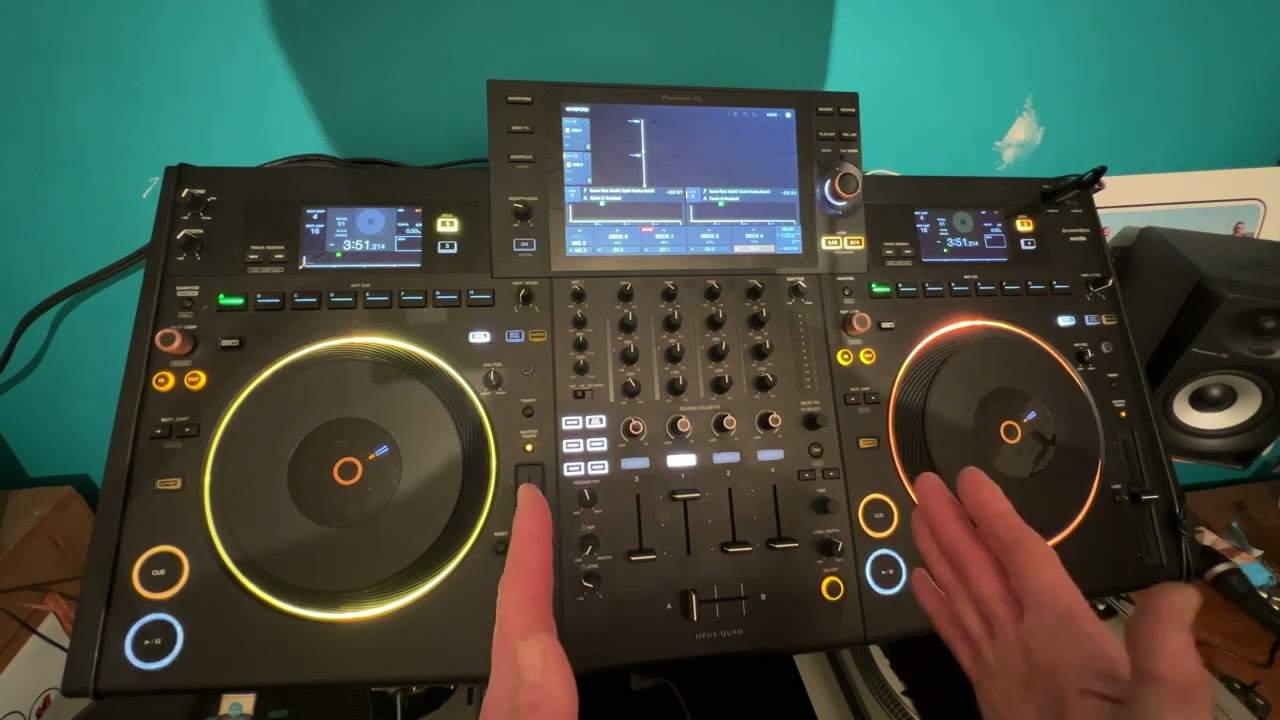
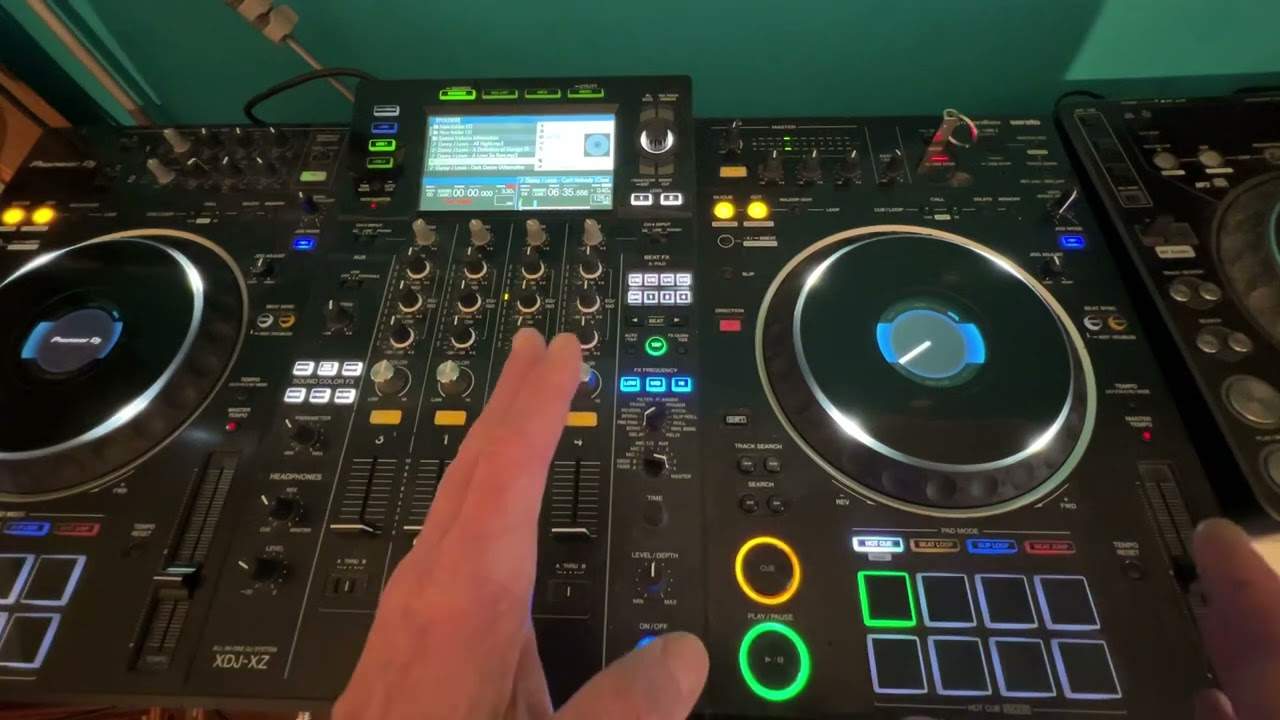
He presses play and counts out loud: one, two, three, four, over and over, while you listen for the next change in the track.
Then he does it again and asks you to count instead, to see whether you arrive at the same answer.
The answer is eight bars.
The change is smaller than you expect
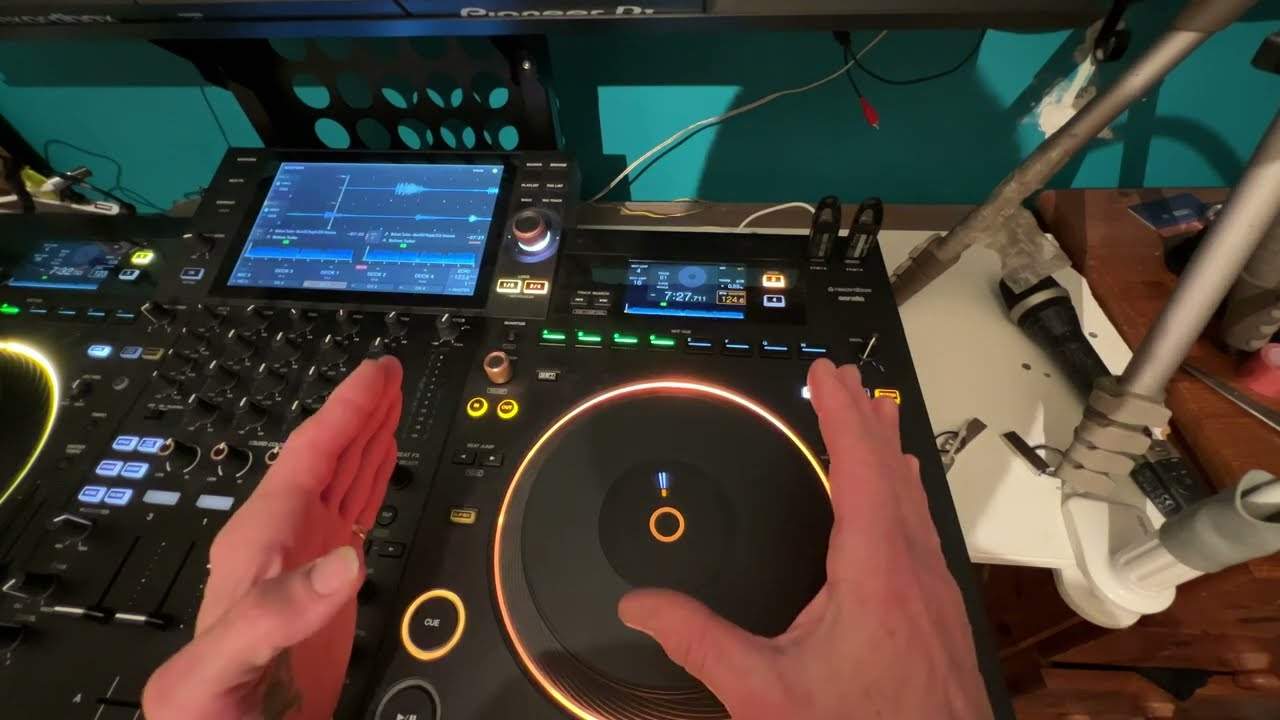
This is the part that catches people out, and he flags it in advance: the change is very subtle. It is not a drop or a breakdown. It is a hi-hat appearing - a tapping sound that was not there before.
That matters because beginners listening for structure tend to listen for something dramatic, and then conclude the track has no structure because nothing dramatic happened for a minute. In reality the music is changing constantly, in small increments, and almost all of those increments land on a phrase boundary.
Training yourself to notice a hi-hat arriving is the same skill as knowing when the breakdown is coming. It is just quieter.
Even numbers, every time
He repeats the figures from the previous lesson, and repetition is right. Radio edits move in twos and fours; extended mixes in eights, sixteens, twenty-fours and thirty-twos.
How to practise this
The honest version of this exercise, and the one that will get you furthest: put on a track you know well, count it from the start, and try to say "now" a bar before each change arrives.
You will be wrong often at first and you will get very good at it quickly, because the material is so regular. And once you can predict the changes in a record you know, you will start hearing them coming in records you do not.
Contents of the video
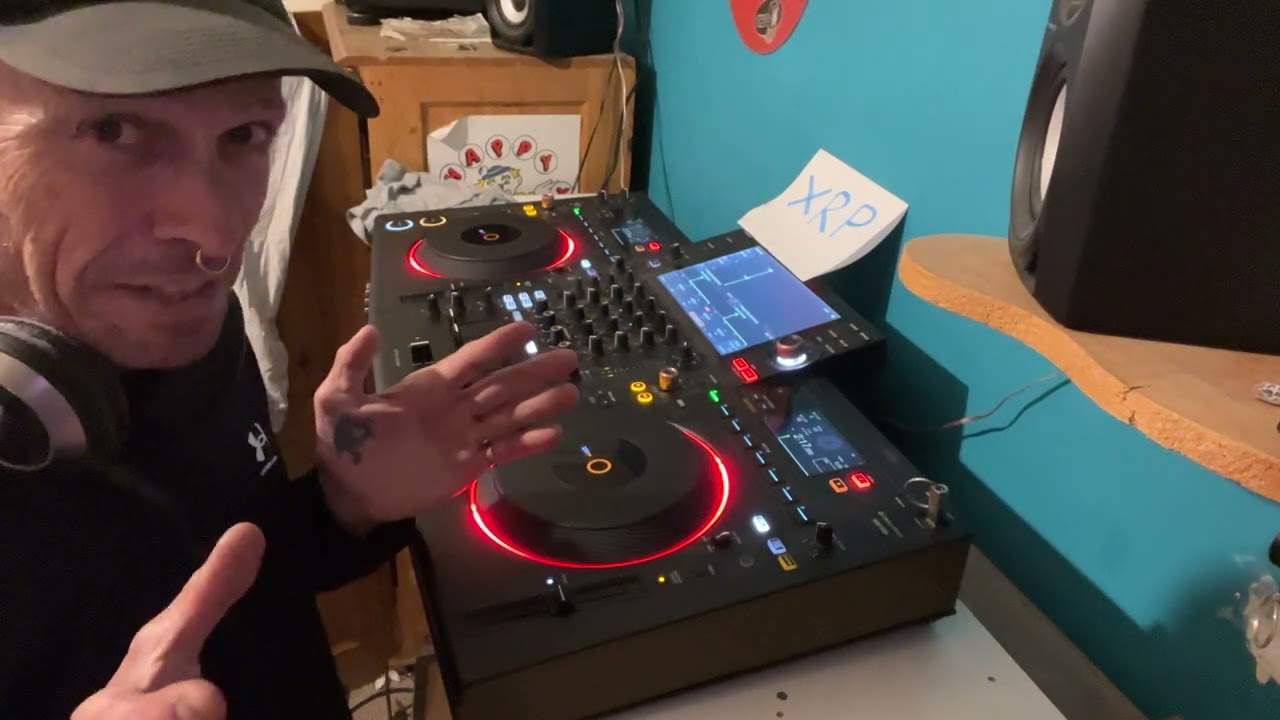
Alright guys, video number seven for the complete total and utter beginner. In this video we're going to be understanding bars and phrases. So in this video I'm going to show you, play a track, and we're going to count our bars, one, two, three, four. We're also going to work out how many bars there are before the next change. Now you may find the next change in this track is quite subtle, but there is definitely a change and you'll find while I count, you count as well, that we have a definite even number after that change. Okay, here we go. As soon as I press play, I'm going to start counting. One, two, three, four. One, two, three, four. Two, three, four. One, two, three, four. One, two, three, four. One, two, three, four. One, two, three, four. One, two, three, four. One, two,
Three, four. One, two, there you go. Let's go back a bit. Go into vinyl mode. Very subtle change. Rewind if you want to. But what we had there, we had the beginnings of more hi-hat, like a tapping sound. Now even though it was a very subtle change, that change happened after eight bars. So let's go back to the beginning of the track again. This time I want you to count I'm not going to, and let's see if you come up with eight as well. So I'll count you in. Three, two, one, and go. There. So we had eight bars. As I've said in a previous video, what you'll find with dance music, it's all structured in even numbers. If you're looking at, let's say for example, a radio version, it's going to be two bars and four bars, sometimes eight. More
Than likely, extended versions, which are going to be more like five, six, seven minutes and above. You're going to have magical numbers, which are eight, 16, 24, and 32. Thanks for watching. Practice and enjoy.
This transcript was produced automatically from the audio of the video and may contain mistakes.