 6:50
More practice, with the mistakes left in
On YouTube this video is called DJ Beat Matching Tutorial/ Practice.
What this lesson teaches
He has a student with him and sets up something genuinely useful - a measurement.
The experiment
Three attempts at the same job, each with more care than the last, and the viewer is asked to time how long each stays in beat using the video's own timeline.
One. Match it for two or three seconds, bring it in, and stand back. Hands off.
Two. Spend longer on the match, concentrate properly, then stand back again.
Three. Keep a finger on the pitch control and keep tweaking throughout.
What it shows
The first mix drifts quickly. The second holds longer. The third holds as long as he keeps his hand there.
That sounds obvious written down and it is worth measuring, because the relationship is steeper than people expect. A tempo error small enough to be inaudible at the start of a mix is still an error, and it accumulates at a constant rate - so halving the error does not buy you a bit more time, it roughly doubles it.
Which is why "close enough" is such a trap. Close enough sounds identical to correct for the first ten seconds, and the difference only shows up at the point where you have stopped paying attention.
The honest second purpose
He says it outright: this is also a demonstration of how difficult it can be.
That is worth something. A beginner watching a flawless demonstration concludes they are uniquely bad at this. Watching somebody with decades of experience set up a mix, stand back, and have it drift away from him is far more informative - because it tells you the drift is normal and the skill is in how quickly you notice and what you do next.
Try it yourself
The experiment transfers directly. Record three mixes at three levels of care, then listen back with a stopwatch and write down how long each held.
The numbers will tell you more about your own precision than any amount of listening in the moment, because in the moment you are busy.
Contents of the video
0:00 Three seconds, stays beat, maybe three
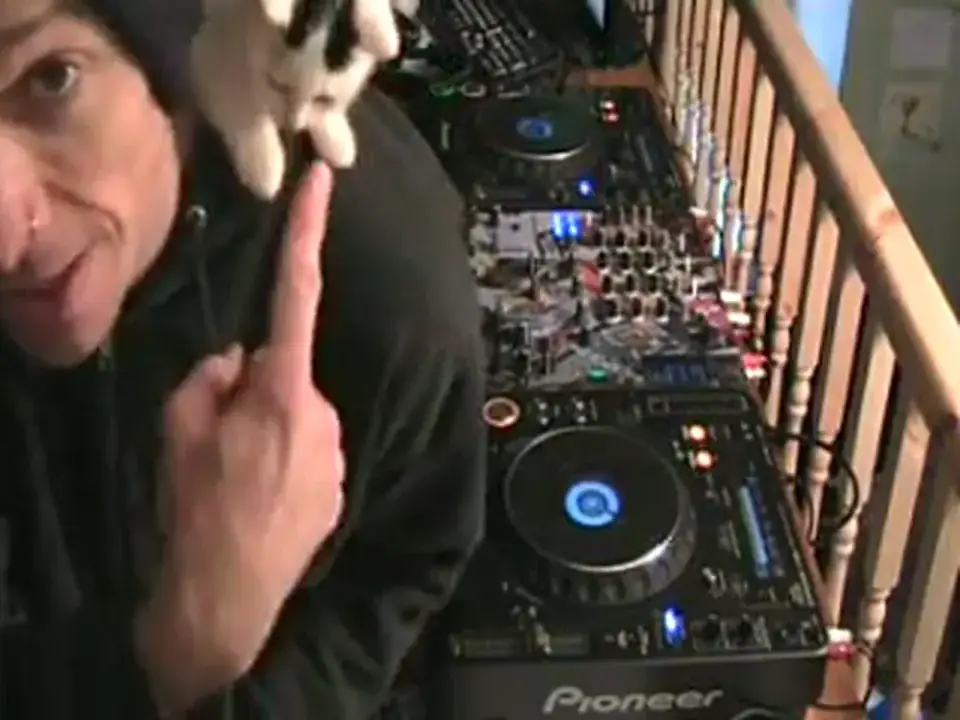
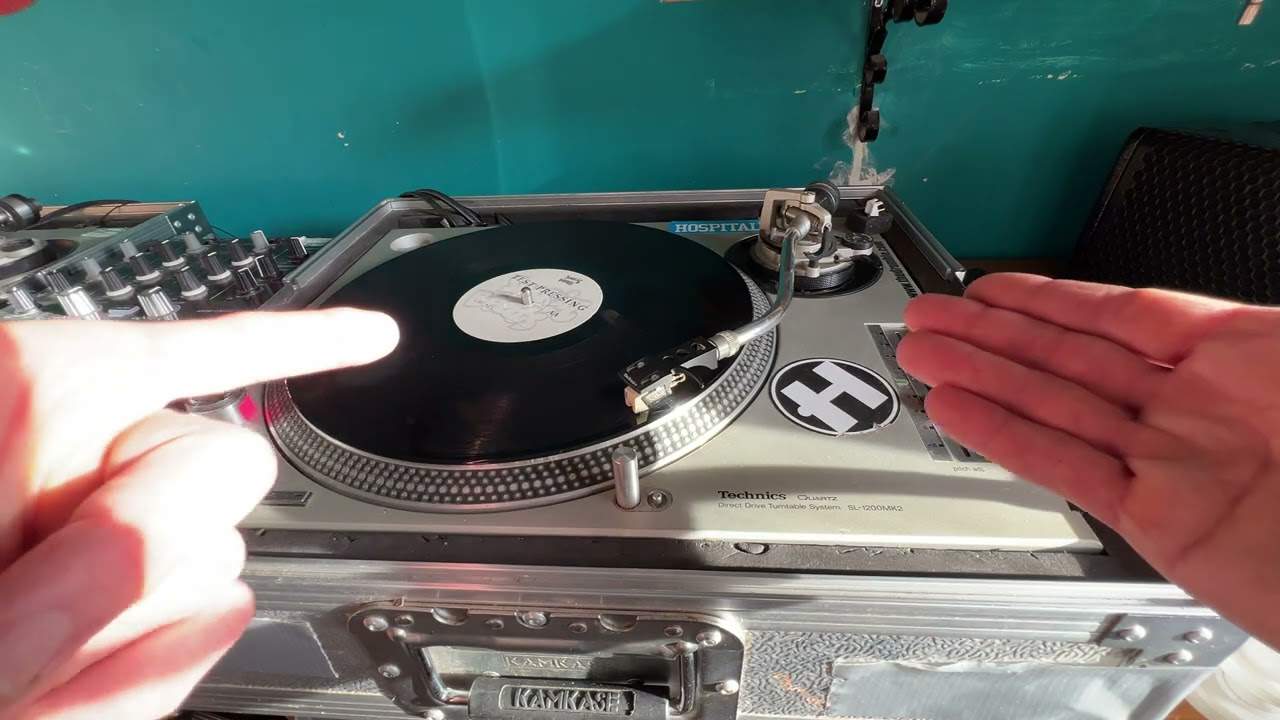
Alright folks, bit of a demonstration stroke tutorial for you and I have my student here today, M&M's, who's going to give me a hand. This particular video is, in a way, it's a bit of a demonstration, also a tutorial, but giving you an idea of how you can start to learn A, how to beatmatch, and maybe B, most importantly as well, how difficult it can be. I'm going to do three things. First of all what I'm going to do is, by the way, look in the description to the side of the video for the names of the tracks and all relevant links and all that sort of stuff. First thing I'm going to do, I've got a track playing on here, I'm going to mix in this one on my headphones and then I'm going to bring it into the mix. But I'm not going to spend a great deal of time trying to beatmatch it. I'm going to maybe give it two or three seconds. Then what I'm going to do is stand back. I want you then to have a look underneath this video at the timescale and see how long it stays in beat.
Maybe one, two, three seconds, five. I don't really know because I haven't done it yet. Then the next time what I'm going to do is spend a little bit more time concentrating on getting it beatmatched. Try and concentrate that a little bit more. The speaker over there isn't drastically loud. I'm listening to it. Headphone this side on this turntable and then that side there is coming through the speaker and then I'll bring the volume up so we'll have... Both channels through the speaker. And then as soon as I move away, then start counting again. Then what I'm going to do, the third time, I'm going to keep my finger on the pitch control and continually tweak it. And then let's see how long it stays in beat. Right, here we go. Give it a go. Or if you think it's all set up, I'll just move them all over the place, alright? So there you go. It did start to go off there. It was in for a while, but then it started to go off.
2:29 It's because you could theoretically have it beatmatched just about
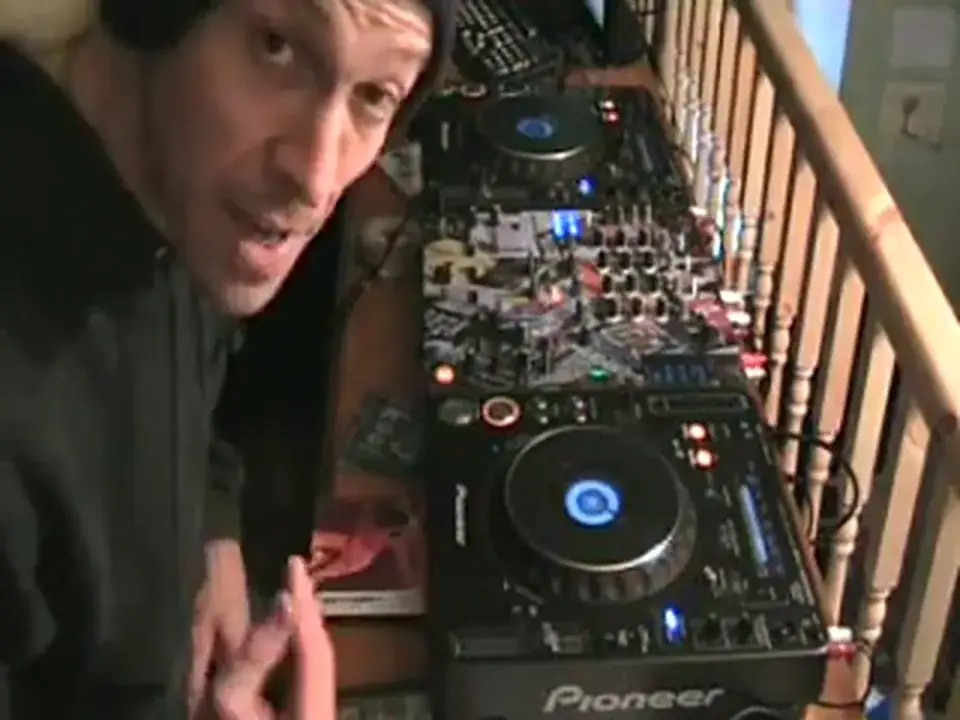
Now again, loads of people always saying, you know, why is it I get it beatmatched and then it goes off? It's because you could theoretically have it beatmatched just about. But because the beats are fine points, eventually it will start to go off. Now what I'm going to do now, second time I'm going to spend a little bit more time concentrating on getting it beatmatched. Here we go. Great amount better, but still it was a little bit better because I spent a little bit more time. Now this time what I'm going to do, I'm going to keep my fingers on the pitch. And then when I sort of, well, yeah, in other words, when the volume's up on both channels and you can hear both the tracks, then start counting and we'll see the difference. Here we go again. Of course, we could near enough go on to a certain degree forever there, but here's a tip for you, alright? So what I want you to do, first of all, your monitor over there does not have to be loud at all. In fact, it near enough has to be exactly the same audio sound that you'd be getting through your headphones. Kitten. Right, this is what I want you to do.
I want you to imagine the sound coming through your ear is at the same level as the sound going through your speakers. In other words, so the sound is equal. This ear here can hear exactly the same audio level from that speaker as this headphone here. Also what you can do is have the speaker as close to you as possible. Now just do this for practice and what you need to do is almost have your ear relatively And concentrate just on that beat. Now what you'll find, if you've got tracks with similar sounding bass kicks, all of a sudden they'll start to cancel each other out and they'll join, they'll come in the centre. Over a period of time you'll get used to this particular sound. People who do a lot of beatmatching will understand where I'm coming from. It is about practice, it's also about knowing what to listen to. But again, with practice eventually you will know what to listen to, alright?
Hope this has been a help. I'm not emailing someone now. Practice and enjoy. Thank you.
This transcript was produced automatically from the audio of the video and may contain mistakes.