 3:51
A beatmatching practice routine
On YouTube this video is called DJ Tutorial, Beat matching Practise.
What this lesson teaches
The problem with most beatmatching practice is that once you have matched two records, they stay matched - so the second and third attempts cost you nothing. This drill solves that.
Setting up
Cover the BPM readout. He puts something over the display rather than relying on willpower, and he is right to: reading the number is not practice, it is arithmetic.
Two tracks within three or four BPM of each other. 120 and 125, or 130 and 133. Not 100 and 130 - that is not a hard version of the exercise, it is a different exercise.
Both pitch faders centred to start.
Then beatmatch one to the other. It might take three seconds or five minutes, and either is fine.
The part that makes it work
Having matched them, move the pitch on the track you already set - without looking, without counting clicks, just move it.
Now do it again.
And here is the neat thing: you know in advance which way to go. You slowed that deck down, so it is now too slow, so you have to speed it up. You have information you did not have the first time, and you still have to do the work.
Repeat. Every round starts from a position you created and cannot read, and the drill never runs out.
Why the direction clue matters
It sounds like it makes the exercise easier and it makes it more useful.
Beatmatching has two parts: working out which way to move, and working out how far. Knowing the direction lets you stop practising the first and concentrate entirely on the second - which is the part that takes months.
And when you move the first deck instead of the second, he points out the consequence: speed one up and you have to speed the other up to match, by roughly the same amount. The relationship between the two faders becomes something you feel rather than calculate.
Contents of the video
0:00 BPM readout because that's going
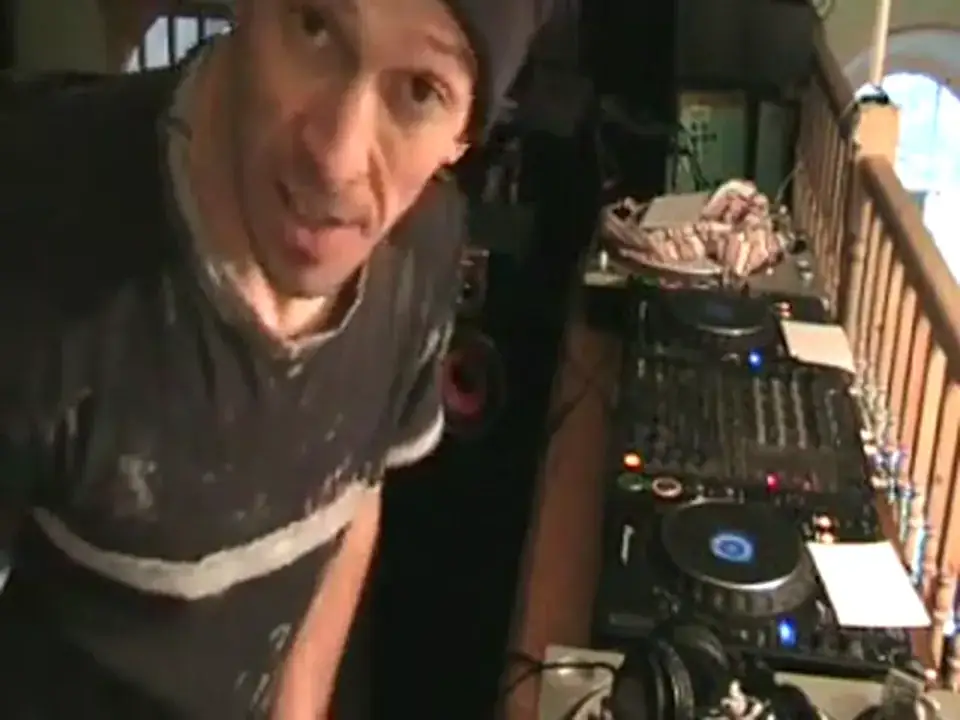
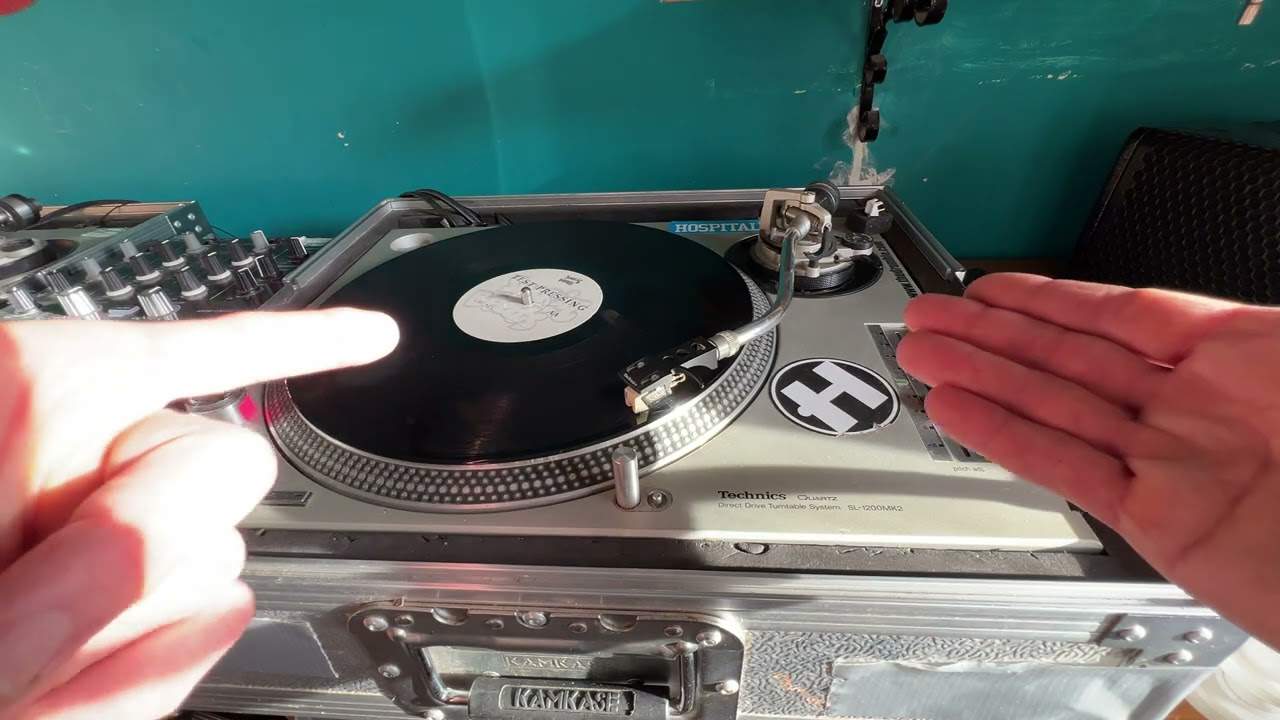
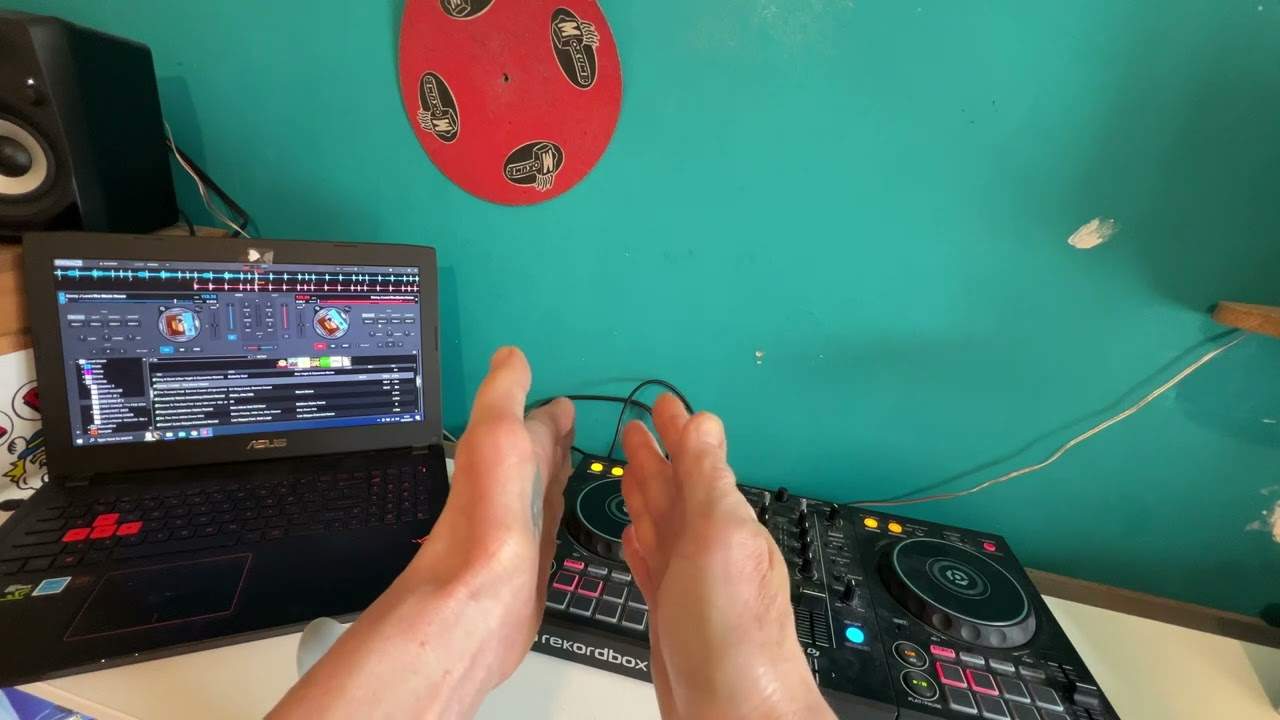
Alright folks, this video is all about beatmatching practice. Now you could do this with a PC program, vinyl turntables or CD players. One thing though you need to do is not look at the BPM readout because that's going to be sort of cheating. But BPM, beats per minute, does come into this quite a lot. What you need to do is find two tracks that are roughly the same BPM. In other words, one track is 120 BPM, the other one maybe 125 BPM. Or maybe one is 130, the other one's 132, 133, give or take 3 or 4 BPM. There's no point having one track 100 BPM and the other one let's say 130. Ideally, just for this particular video, they need to be relatively similar. Also what you need to do then is put one track on one side, logically one on the other. If you have got a BPM readout on your system, cover it over. Don't stick anything down, I've just put that over the top there so I can't see the BPM. Then what you need to do, first thing is put the pitch controls in the centre position, like that. Start the one track off and beatmatch the other one. Now depending on how good or bad you are,
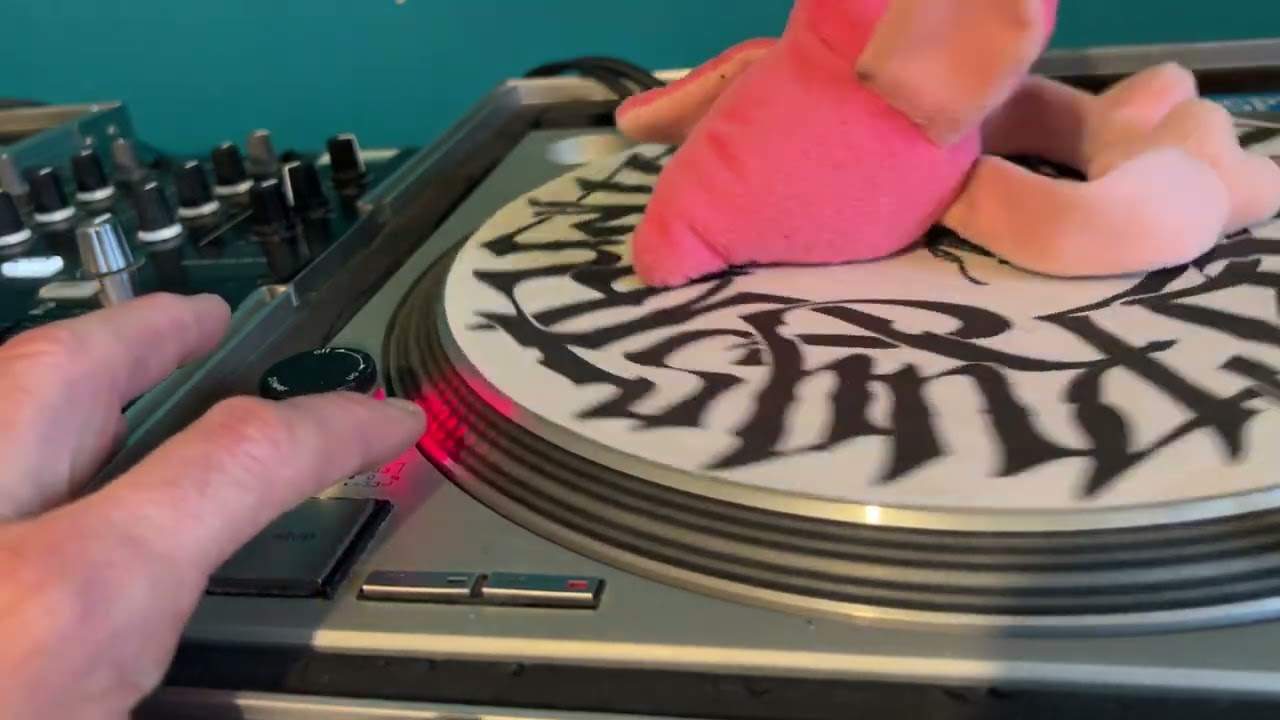
Two seconds, three seconds, it could take five minutes. But when you've got that track beatmatched with that track, you'll notice that you would have either had to increase or decrease the speed here. This is what you need to do now, is either increase or decrease the speed on the first track that you started off with. I'm going to decrease it. I'm not going to look, I'm not going to think, oh two or three clicks, I'm just going to move it down. Now straight away, I know that this one is going to be too fast. So before I even start to move the pitch, I'll know I've got to slow this guy down. So I'm going to now repeat the process. Here we go. So repeat the process again. I'm going to slow that one down a tiny bit more. Now what I could do, I could speed that one up. If I speed that one up, I've got to speed this one up. If I speed that one up a lot, I've got to speed this one up a lot.
2:55 You're learning is by slowing one
If I slow it down a tiny bit, I've got to slow this one down a tiny bit. So first thing you're learning is by slowing one down, the other one has to slow down. By speeding that one up, this guy has got to speed up. But also, while you're doing this, your ears are starting to familiarise themselves between the beats and what's happening, whether one should be faster, one should be slower, and also how much you need to start moving the pitch control. It is about practice. Now, don't just do this like me two or three times. Do it maybe 20 or 30 times. Maybe it might take you 20 minutes, 30 minutes, one hour. But it's about practice. Do this. It's a bit like, I don't know, keeping fit. You know, you keep fit to go and run a marathon. This is the keep fit in your marathon is working in a nightclub. Practice and enjoy.
This transcript was produced automatically from the audio of the video and may contain mistakes.